
How Yarn Is Made: The Hidden Environmental Cost of Processing
When we talk about sustainable yarn, we almost always focus on where the fibre comes from. Was it grown with pesticides? Did it come from sheep? Is it synthetic or natural? Is it local?
Those questions certainly matter. But they are only part of the story.
Before fibre becomes the neat ball of yarn you take home, it has to be cleaned, prepared, spun, sometimes dyed, packaged and transported. That processing stage can carry a massive environmental impact. This is the hidden middle of the yarn story.
Wool: From Fleece to Yarn
Freshly shorn wool is nowhere near ready to knit with.
Raw fleece contains lanolin, dirt, sweat residue, plant matter and other impurities. Before it can become yarn, it must be scoured, which essentially means it is washed using hot water and detergent. This stage can use substantial amounts of water and energy. It also produces highly polluted wastewater that needs rigorous proper treatment.
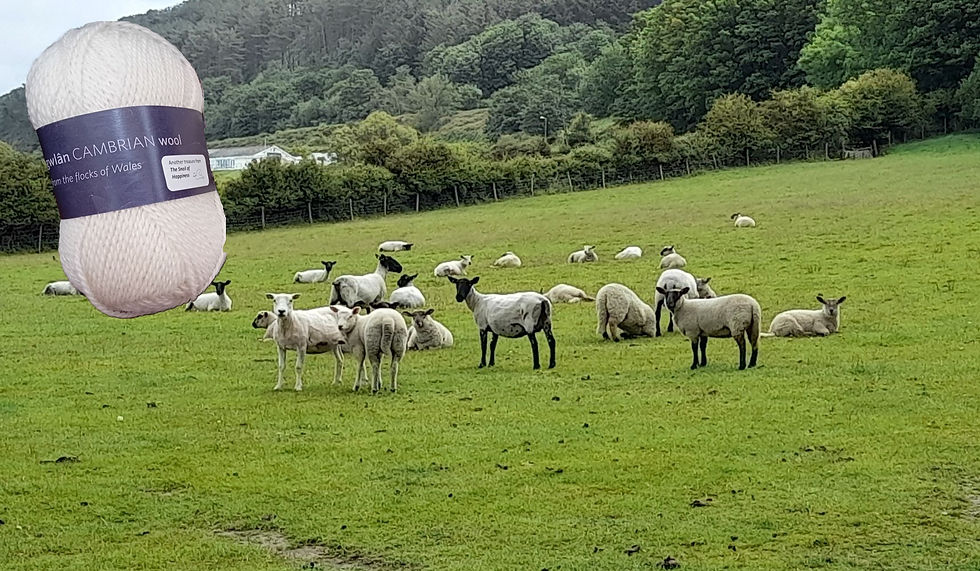
After scouring, the wool may be carded or combed to align the fibres. It is then often dyed before being spun into yarn, twisted, plied, skeined or balled. Each step uses energy. The environmental footprint depends heavily on the mill, the processes used and the energy source.
A wool yarn processed in a mill using renewable energy and careful wastewater treatment has a very different story to one processed using coal-powered energy and poor effluent control.
Linen and Hemp: Retting and Spinning
Plant fibres such as linen and hemp have their own unique processing challenges.
Both come from the stems of plants. The useful fibres must be separated from the woody parts of the plant in a process called retting. There are different types of retting. Dew retting uses moisture, microbes and time in the field. It can be lower impact but is often less predictable. Water retting can produce high-quality fibre, but it uses large volumes of water and can cause severe pollution if the wastewater is not managed properly.
After retting, the fibres are broken, scutched, hackled and spun. These stages are heavily mechanical and highly energy-intensive. So while linen and hemp may have excellent growing-stage credentials, the processing still demands significant resources.
Cotton: Spinning, Dyeing and Finishing
Cotton is incredibly familiar, but it also requires intense processing.
After harvesting, cotton is ginned to remove seeds, then cleaned, carded and spun. It may be mercerised, bleached, dyed or otherwise finished. Cotton yarns often come in a huge range of bright, saturated colours, and that requires heavy dyeing.
Dyeing is one of the biggest environmental hotspots in all textiles. It can involve large amounts of water, heat, harsh chemicals and complex wastewater treatment.
This does not mean dyed yarn is bad, because colour is part of the absolute joy of making. But it does mean that undyed, naturally coloured or lower-impact dyed yarns can vastly reduce the environmental burden of your project.

Spinning: The Shared Step
No matter the fibre, spinning matters. Turning loose fibre into yarn requires heavy machinery and energy.
This is exactly why the energy source of the mill matters so much. A mill powered by renewable electricity has a profoundly different environmental profile from a mill powered by fossil fuels. As consumers, we do not always have access to this information, as yarn labels rarely tell us how the mill was powered. But when brands are transparent about their supply chain and environmental standards, that is always worth noticing and supporting.
What Can We Do as Makers?
We cannot personally inspect every mill. But we can make thoughtful choices. We can choose yarns from brands that share supply chain information. We can consider undyed or naturally coloured yarns. We can choose quality yarns for long-lasting items, and we can ask questions. Brands notice what their customers care about.
Processing is complicated, but awareness helps us make better choices.


Comments